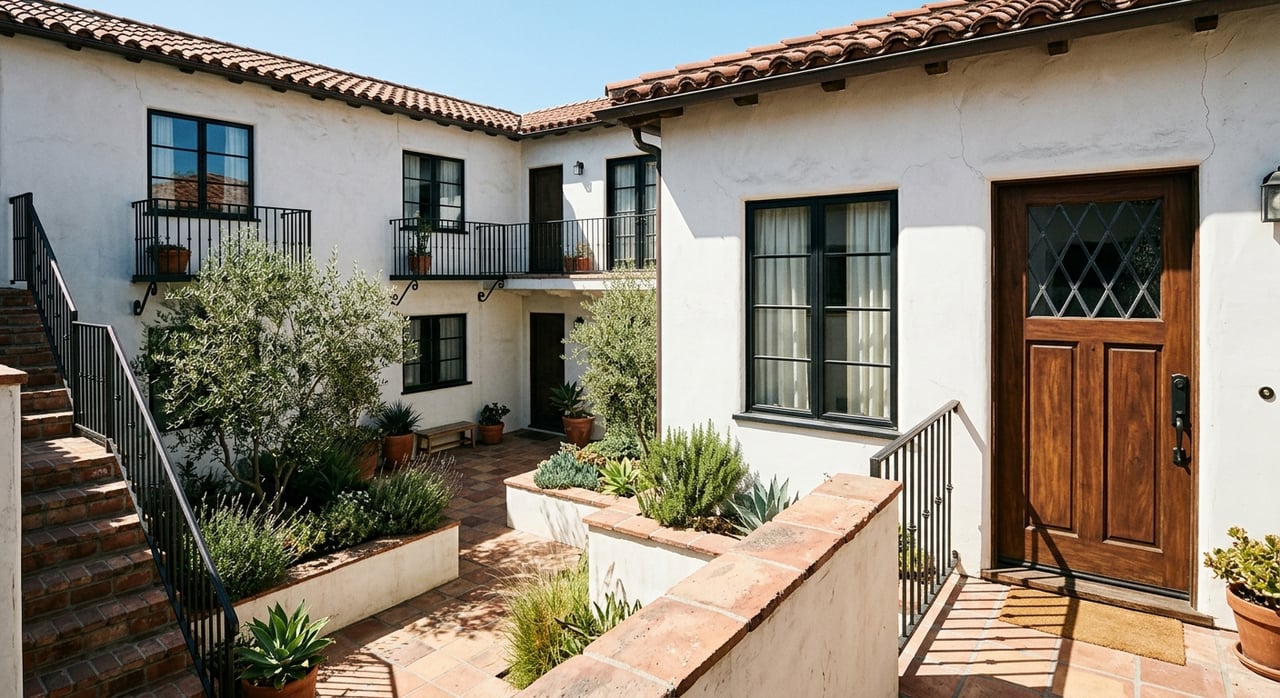
If you are looking for a Los Angeles investment that still offers neighborhood identity, renter demand, and room for thoughtful upside, small multifamily property in Silver Lake deserves a close look. This is not usually a market for easy bargains or aggressive assumptions, and that is exactly why a disciplined investor can do well here. When you understand the local housing mix, rent rules, and realistic value-add paths, you can make smarter decisions with less guesswork. Let’s dive in.
Why Silver Lake Appeals to Investors
Silver Lake fits the small multifamily thesis because its physical layout and planning framework already support a mix of residential building types. The City of Los Angeles describes the broader Silver Lake-Echo Park-Elysian Valley Community Plan Area as predominantly residential, with about 42% of land designated residential and 28% zoned for multiple-family residential use. In plain terms, that means duplexes, triplexes, and small apartment buildings are part of the neighborhood fabric, not an afterthought.
That built environment matters if you are buying for long-term income and steady positioning. Silver Lake is dense, hillside-oriented, and made up of both single-family and multifamily properties, which tends to favor selective upgrades and careful repositioning over large-scale redevelopment. The City’s planning goals also emphasize preserving neighborhood character and rehabilitating existing housing stock, which gives you a useful lens for evaluating what kinds of investment strategies are most realistic here.
Small Multifamily Works Well Here
In Silver Lake, the investment case is often tied to scarcity and location quality rather than dramatic expansion. Many of the better opportunities come from owning a well-located asset, improving operations, and making lawful upgrades over time. That can be especially appealing if you prefer a strategy built around durable demand instead of short-term speculation.
This is also a neighborhood where architecture and existing streetscape matter. The Community Plan notes concentrations of historic and architectural resources, including Modernist-era homes around the reservoir. For you as an investor, that means property evaluation should go beyond unit count and current rent roll to include condition, permitting, and how a building fits into its immediate surroundings.
Silver Lake Pricing and Cap Rate Context
Public Los Angeles multifamily data gives useful context for underwriting deals in Silver Lake. Northmarq reported an average Los Angeles cap rate of 5.4% in Q2 2025 and 5.6% for 2025, while Matthews reported a 5.0% cap rate in Q4 2025. CBRE reported Los Angeles multifamily occupancy at 95.2% at the end of Q4 2025, which points to a market with strong occupancy even if it is not as tight as earlier periods.
Using that broader market context, a reasonable working range for stabilized small multifamily in Silver Lake, Echo Park, and Los Feliz is typically in the high-4% to mid-5% cap-rate range. Some especially clean or highly competitive deals can trade lower. Recent nearby examples support that pattern, including a 17-unit Los Feliz sale reportedly at a 4.51% cap rate and a historical 5-unit Silver Lake sale from 2019 at 4.36%.
What Those Numbers Mean for You
A lower cap rate in Silver Lake usually reflects strong location appeal, limited supply, and confidence in long-term hold value. It does not automatically mean a property is overpriced. It means you need to be more exact about expenses, rent-control status, deferred maintenance, and your actual path to improving income.
In practical terms, Silver Lake often rewards investors who underwrite conservatively. If you are buying based on future upside, that upside should come from verified operational improvements, legal renovation plans, and realistic rent assumptions. Deals that only work on paper can get exposed quickly in a neighborhood where acquisition prices are rarely forgiving.
Tenant Demand in Silver Lake
Silver Lake benefits from a renter-heavy demographic profile. According to the City Planning demographic profile for the Silver Lake-Echo Park-Elysian Valley area, 68% of occupied housing is renter-occupied. The same profile reports 66,820 residents, a median household income of $85,435, and 39.1% of residents age 25 and older holding a bachelor’s degree or higher.
The household mix also supports small multifamily product. One-person households account for 37.0% of households, and two-person households account for 34.9%. At the same time, 17.6% of households include at least one child under 18, so demand is not limited to solo renters.
Rent Levels and Nearby Comparisons
Current asking-rent benchmarks help frame the submarket, even though they are not the same as property-specific lease comps. RentCafe reports average asking rent at $2,433 in Silver Lake, $2,759 in Echo Park, and $2,491 in Los Feliz. It also shows Silver Lake rents up 6.89% year over year, while Echo Park is roughly flat at 0.38%.
For you, that suggests two things. First, Silver Lake still commands strong rent levels within the Eastside conversation. Second, nearby neighborhoods like Echo Park and Los Feliz can help you pressure-test a deal, especially when you are comparing tenant appeal, finish level, and achievable rent after improvements.
Rent Control Can Shape Returns
If you are investing in small multifamily property in Silver Lake, rent rules need to be part of your first-pass analysis, not an afterthought. In the City of Los Angeles, the Rent Stabilization Ordinance generally applies to rental properties built on or before October 1, 1978. LAHD lists apartments, duplexes, two-or-more single-family dwelling units on the same parcel, attached residential units, and many ADU or JADU situations among covered property types.
LAHD’s current RSO calculator shows the allowable annual increase for RSO units is 3% from July 1, 2025 through June 30, 2026. LAHD also notes that as of February 2, 2026, landlords can no longer add a separate utility percentage increase, and the additional-dependent increase was removed. Those details matter because they directly affect how you model revenue growth.
Just Cause and State Rent Caps Matter Too
Even if a property is not subject to the RSO, local and state rules may still limit flexibility. The City of Los Angeles Just Cause Ordinance covers most residential properties that are not RSO-regulated. California’s Tenant Protection Act, AB 1482, caps annual rent increases for most residential units older than 15 years at 5% plus CPI or 10%, whichever is lower.
LAHD also requires eviction notices to be filed within three business days for both RSO and JCO properties. For underwriting, that means you should not assume every turnover leads to an immediate jump to market rent. In Silver Lake, lawful income growth and careful compliance are a central part of the investment strategy.
The Best Value-Add Strategies Are Usually Measured
The strongest value-add plays in Silver Lake are often disciplined rather than flashy. In many cases, the opportunity is in verifying legal unit count, updating interiors at turnover, modernizing systems, and improving life-safety features. These are the kinds of upgrades that can improve performance without relying on unrealistic assumptions.
The City’s planning framework supports this approach. The Community Plan encourages rehabilitation of existing housing stock over demolition, which aligns with a more careful, long-term investment style. If you are evaluating an older building, you should pay close attention to permits, systems, and whether prior work was properly completed.
Renovation Opportunities Need a Compliance Lens
For RSO buildings, LAHD allows rent-recovery applications for capital improvements and primary renovations. That can create a more structured path for recapturing some investment in the property. Still, the details matter, and not every improvement leads to the same financial outcome.
ADUs can also be part of the income story on some lots, but you should be cautious about assuming a simple exemption or lease-up path. LAHD notes that ADU and JADU rent-control treatment depends on the underlying structure and build date. Before you build your pro forma around an added unit, you need a clear review of permits, zoning, and ordinance treatment.
How to Underwrite a Silver Lake Deal
If you want to invest well in Silver Lake, a careful underwriting process is essential. This submarket tends to reward patience, strong due diligence, and realistic planning.
Start with the basics:
- Verify the legal unit count
- Confirm build year and likely RSO or JCO status
- Review current rents against local asking-rent context
- Analyze deferred maintenance and system upgrades
- Check whether any additions or conversions were permitted
- Model conservative rent growth based on applicable rules
- Evaluate whether an ADU or expansion path is actually feasible
A good Silver Lake acquisition usually looks better after deeper review, not worse. If the story only works because of optimistic future rents or vague renovation plans, it may not be the right asset.
Why Local Guidance Matters
Silver Lake is a nuanced market. Two properties on nearby streets can have very different investment profiles based on build date, tenancy, layout, parking, hillside conditions, and renovation history. That is why local advisory value matters so much when you are buying a small multifamily asset here.
You want more than a basic search and sale comp sheet. You want clear guidance on neighborhood positioning, realistic rent assumptions, value-add potential, and how to weigh a clean deal against a superficially cheaper one with more execution risk. In a market like Silver Lake, thoughtful analysis can protect both your downside and your long-term upside.
If you are exploring a duplex, triplex, fourplex, or small apartment building in Silver Lake, the right strategy is usually steady and precise. Focus on location quality, legal and physical due diligence, and improvements that fit both the property and the local rules. If you want a calm, informed perspective on current opportunities, connect with Adam Dehrey to schedule a private consultation.
FAQs
What makes Silver Lake appealing for small multifamily investing?
- Silver Lake offers a residential layout with substantial multifamily zoning, strong renter occupancy, and a neighborhood pattern that supports careful repositioning of existing duplexes, triplexes, and small apartment buildings.
What cap rates are common for small multifamily property in Silver Lake?
- Based on broader Los Angeles multifamily benchmarks and nearby Eastside trades, stabilized small multifamily assets in Silver Lake often underwrite in the high-4% to mid-5% cap-rate range, with some stronger deals trading lower.
What are current rent levels near Silver Lake?
- Current asking-rent benchmarks report averages around $2,433 in Silver Lake, $2,759 in Echo Park, and $2,491 in Los Feliz, which can help frame submarket positioning during underwriting.
Does rent control affect Silver Lake multifamily investments?
- Yes. In Los Angeles, the Rent Stabilization Ordinance generally applies to rental properties built on or before October 1, 1978, and other local and state rules may also limit rent increases and affect turnover assumptions.
What value-add strategies make sense for Silver Lake properties?
- The most practical strategies are often legal unit verification, interior upgrades during turnover, systems modernization, life-safety improvements, and carefully reviewed additions where zoning and permit conditions support them.
Should you assume an ADU is exempt from rent rules in Silver Lake?
- No. LAHD states that ADU and JADU rent-control treatment depends on the underlying structure and build date, so you should review ordinance treatment and permits before relying on that assumption.
How should you evaluate a duplex or fourplex in Silver Lake?
- You should review legal unit count, build year, local rent-rule status, current tenancy, physical condition, deferred maintenance, and whether your projected income growth is supported by local regulations and realistic market demand.