If you shop for homes in Silver Lake, you will notice something quickly: two houses on the same street can feel like they belong to completely different eras. That is part of what makes the neighborhood so compelling, but it can also make your home search more complex. When you understand how Silver Lake’s architecture shapes layout, light, maintenance, and renovation options, you can make a more confident decision. Let’s dive in.
Why Silver Lake Has So Many Styles
Silver Lake developed as a reservoir-centered hillside community, and that geography still shapes the housing stock today. According to the City of Los Angeles community plan, it is one of the city’s 10 original open-reservoir communities, with residential areas that grew around the water and nearby hillsides to take advantage of views.
That setting helped create a neighborhood with a wide mix of architectural periods and forms. SurveyLA identifies a large Silver Lake Residential Historic District and notes that the area contains one of Los Angeles’ most important concentrations of Early Modern, International Style, and Mid-Century Modern homes.
At the same time, many of Silver Lake’s earlier tracts from the 1900s through the 1930s included Craftsman, Spanish Colonial Revival, and Mediterranean Revival homes. Later postwar development added more modern hillside houses, which is why buyers today often compare very different homes within a small area.
Spanish And Mediterranean Homes
What These Homes Feel Like
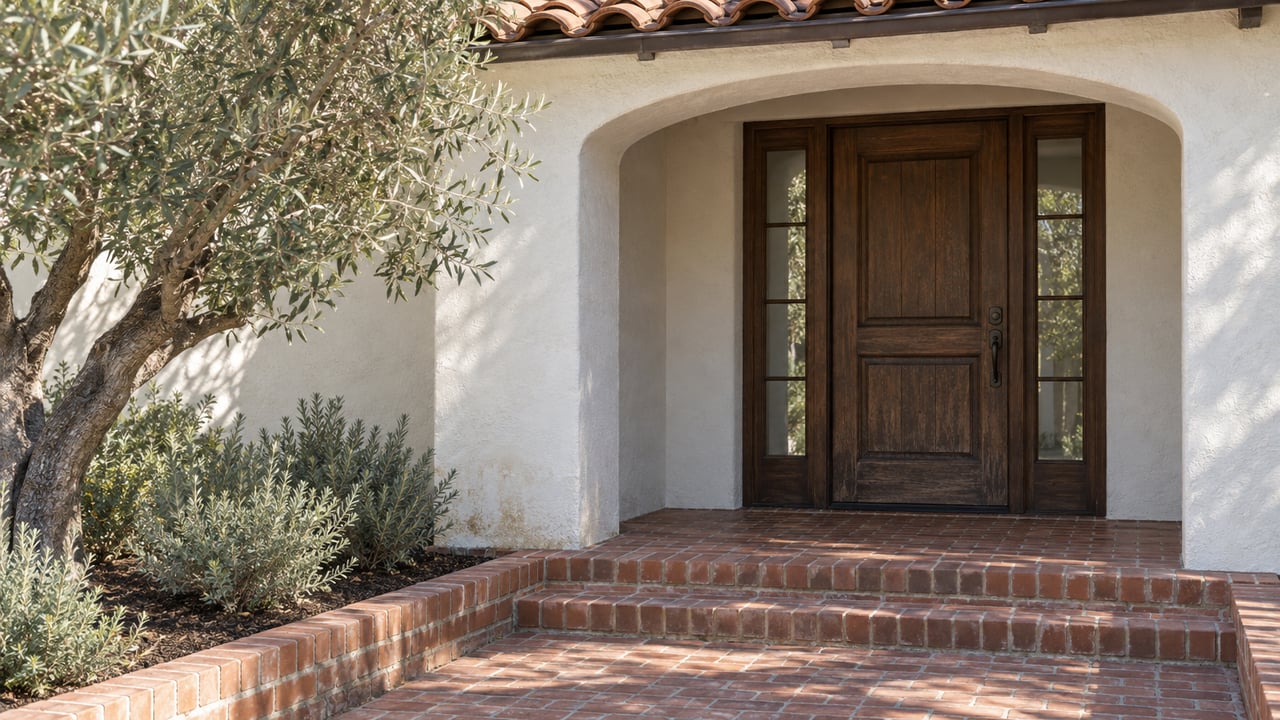
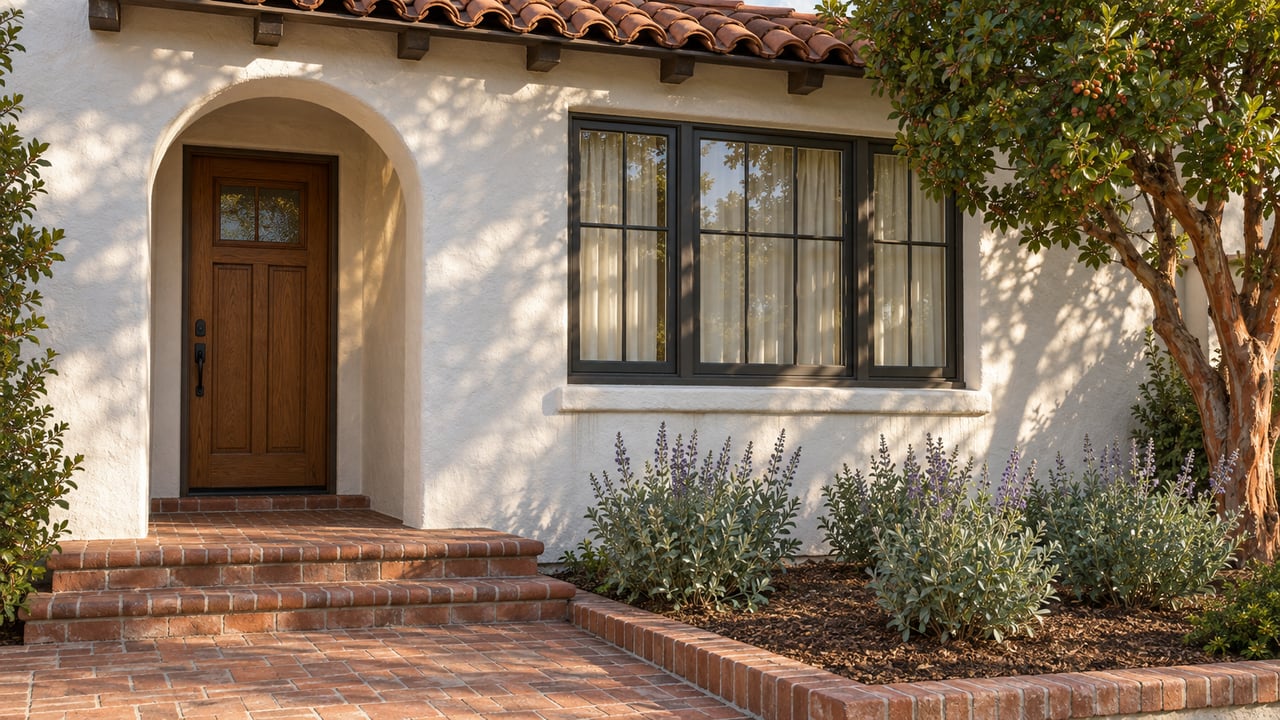
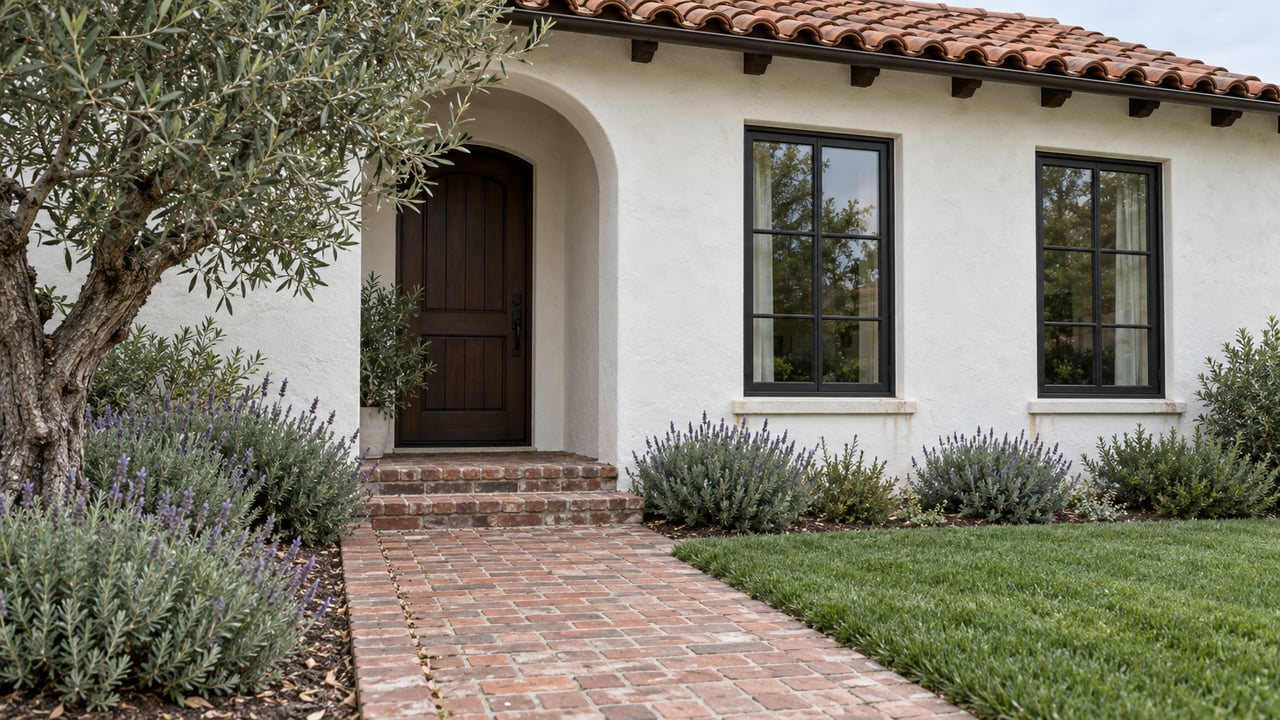
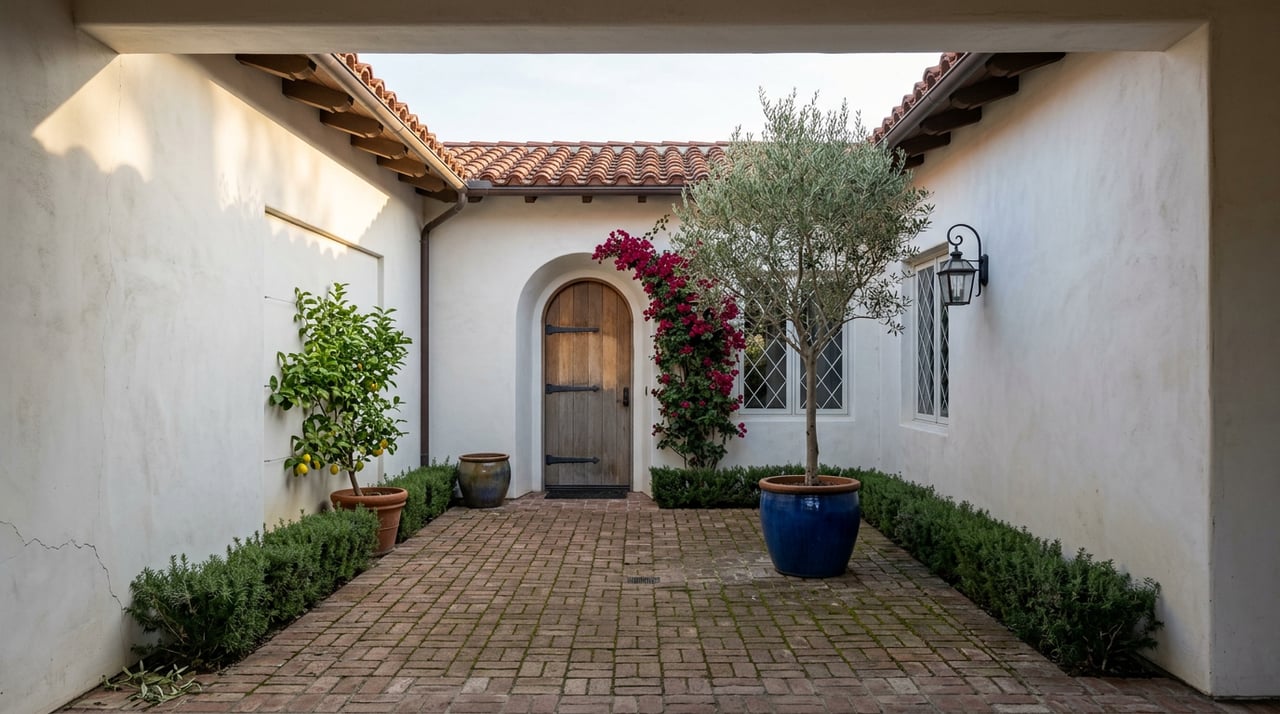
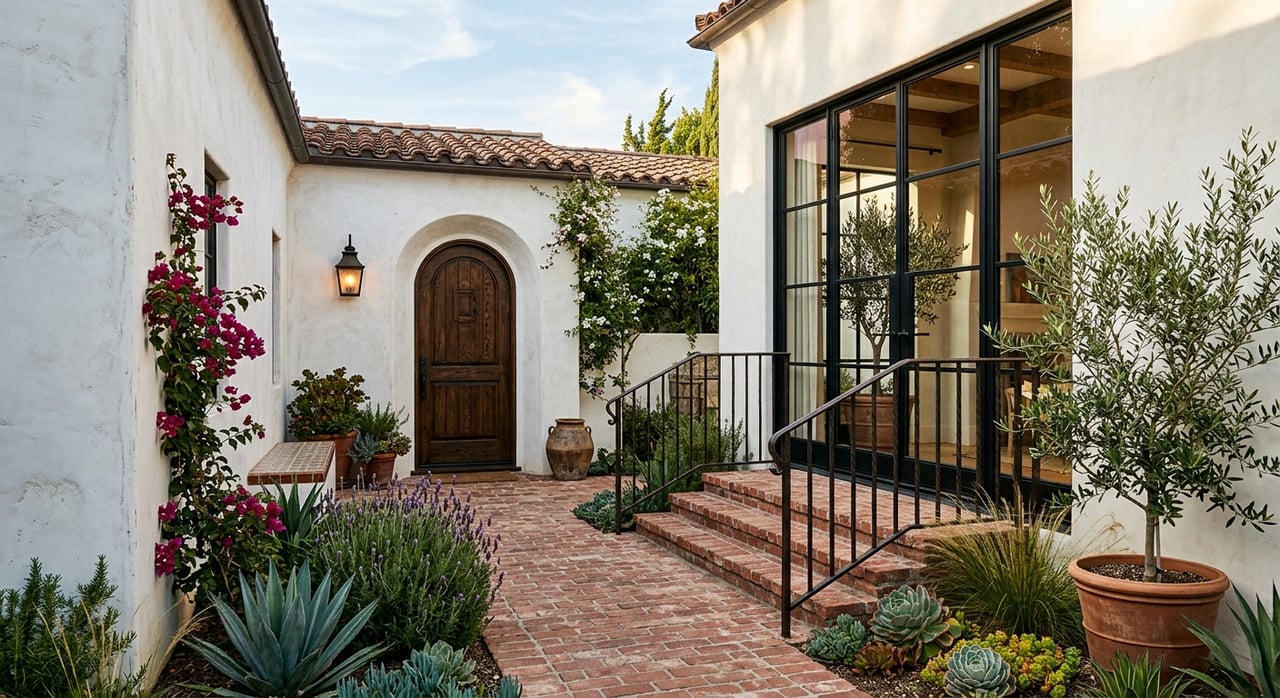
In Silver Lake, Spanish Colonial Revival, Mission, and Mediterranean Revival homes often feel more inward-looking than later modern houses. These homes commonly use stucco walls, low-pitched or flat tile roofs, and outdoor spaces like patios, courtyards, and gardens as part of the overall design.
That usually means the lifestyle focus is less about dramatic walls of glass and more about shaded outdoor living. In practical terms, you may find a stronger connection to a private patio or court than to a wide, panoramic view line.
What Buyers Should Check
These homes can be full of character, but systems and materials matter. Buyers should pay close attention to stucco condition, clay-tile roof maintenance, and whether plumbing or electrical systems have been meaningfully updated.
That matters because period charm does not always equal modern function. A home can have beautiful original details and still need substantial infrastructure work behind the walls.
Craftsman And Early Residential Forms
What Defines A Craftsman Home
SurveyLA describes Silver Lake Craftsman homes as having shingled exteriors, low-pitched gabled roofs, overhanging eaves, exposed rafter tails or knee braces, and often casement or double-hung windows. These homes usually read as smaller-scale, porch-oriented houses rather than open-plan hillside properties.
Bungalow courts and other early residential forms are also part of Silver Lake’s history. In many cases, they create a strong relationship to the street or a shared courtyard, which gives them a different feel from later homes designed around privacy and rear-facing views.
What Buyers Should Notice
If you are considering a Craftsman or similar early home, look carefully at wood detailing, porches, roof edges, and any later additions. These details are not just cosmetic. They are central to the home’s architectural character.
It is also smart to study the proportions of the original structure. In older Silver Lake tracts, the rhythm and scale of the exterior can matter just as much as the interior updates when you think about long-term value and future changes.
Mid-Century Modern And Early Modern Homes
Why Silver Lake Is Known For Them
Silver Lake is one of Los Angeles’ signature modernist neighborhoods. SurveyLA highlights the area as one of the city’s most important concentrations of Early Modern, International Style, and Mid-Century Modern residences, with notable architects associated with the neighborhood including Richard Neutra, Rudolph Schindler, Gregory Ain, John Lautner, and Harwell Hamilton Harris.
These homes are often flat-roofed, horizontally oriented, and largely unornamented, with windows arranged in bands or larger glass openings. The community plan also notes that many modern houses were designed to capture hillside views and strengthen the relationship between indoor and outdoor space.
What Living In One Can Mean
For many buyers, this is the style family most associated with Silver Lake design. You may see open plans, strong natural light, privacy-focused orientation, and living areas turned toward the rear of the property to take advantage of views.
That design can be beautiful, but it also means the house often depends heavily on its site. Orientation, sunlight, privacy from neighboring homes, and the quality of the view corridor can matter as much as the floor plan itself.
What Buyers Should Check
Pay close attention to roof waterproofing, glazing condition, drainage, and structural issues. In a modern hillside home, those are not side notes. They are often core parts of how the house performs.
Changes can also be more complicated than they first appear. Because many early modern homes were designed carefully around privacy, views, and difficult lots, additions or window changes can have a bigger design impact than they would in a more conventional home.
Later Hillside Contemporary Homes
How They Differ From Mid-Century Homes
Silver Lake also includes later hillside contemporary and postmodern homes that respond to steep sites in more dramatic ways. These houses may use sharper angles, custom geometry, wood cladding, terraces, and bold façades to adapt to difficult parcels.
While they often create strong indoor-outdoor moments, they usually do it differently than classic mid-century homes. Instead of clean horizontal lines, the design may rely on unusual massing, steep-lot engineering, and highly customized forms.
What Buyers Should Evaluate
With these homes, site and structure are often tightly connected. That makes drainage, retaining walls, slope response, and future alterations especially important to evaluate early.
A striking design can be a major draw, but buyers should remember that hillside complexity can affect both renovation costs and long-term maintenance. In Silver Lake, the lot itself is often a major part of the home’s architecture.
What To Pay Attention To At Showings
Follow The Site, Not Just The Photos
In Silver Lake, the lot can shape the living experience as much as the house. Many homes were oriented toward the reservoir or surrounding hillsides, and some modern houses direct main living spaces to the rear to capture views and preserve privacy.
That means you should look beyond listing photos. Pay attention to where the light enters, how exposed the outdoor areas feel, how the home relates to nearby structures, and whether the best spaces actually align with how you want to live.
Separate Character From Systems
Older Silver Lake homes can be visually persuasive. Original built-ins, period details, and preserved materials may tell you the house has charm, but they do not tell you whether the plumbing, electrical, or other systems meet current expectations.
When you tour a character home, try to separate what is beautiful from what is functional. A house can have great bones and still require meaningful work.
Look Closely At Alterations
If a home has added square footage or visible exterior changes, it is worth looking deeper. The City of Los Angeles notes that exterior work in local historic districts can require review before construction starts, and that can include elements such as landscaping and paint.
For buyers, that makes permit history and past modifications especially important. If you may want to renovate later, understanding what has already been changed can save time and reduce surprises.
Treat A Steep Lot As A Real Feature
A view lot can be a major asset, but in Silver Lake it is also a structural and planning consideration. The community plan emphasizes hillside compatibility, retaining walls, and view preservation, which is a reminder that the land itself deserves close attention.
If you notice cracks, settling, unusual cantilevers, or hard-to-read retaining walls, it is wise to take that seriously. Those signs do not always mean a deal is off, but they often mean the property deserves a closer review.
When To Bring In Specialists
If a property is in a local historic district, buyers should verify its status in ZIMAS and understand whether additional project review may apply. In Los Angeles, local historic districts are also called HPOZs, and exterior work may move through different review paths depending on the property’s status.
That can make a preservation-minded architect, planner, or experienced contractor useful before you commit to a renovation strategy. Getting clarity early can help you understand what changes may be straightforward and what may require additional review.
It is also smart to bring in specialists earlier than usual when a home sits on a steep lot, has extensive glazing, or uses signature materials such as clay tile, stucco, or cantilevers. In Silver Lake, those features are often part of the architecture itself, which means roof, structure, drainage, and window questions can directly affect both budget and design options.
Why Style Matters To Your Purchase
In Silver Lake, architectural style is not just about curb appeal. It can influence your day-to-day layout, access to light, outdoor living, maintenance needs, and how much flexibility you may have for future changes.
That is why the best buying questions are often simple and specific: What era is this house from? How does the site shape the plan? Which original elements are part of the home’s character? What local review or permit rules might affect renovations later?
If you are comparing homes in Silver Lake, a calm, detail-oriented review can go a long way. For tailored guidance on architecture, condition, and long-term fit, connect with Adam Dehrey.
FAQs
What architecture styles are most common in Silver Lake?
- Buyers in Silver Lake are likely to encounter Spanish Colonial Revival, Mission, Mediterranean Revival, Craftsman, bungalow-court housing, Mid-Century Modern, Early Modern, International Style, and later hillside contemporary homes.
What should buyers look for in a Silver Lake modern home?
- Buyers should pay close attention to roof waterproofing, glazing condition, drainage, structural performance, privacy, sunlight, and how the house uses the hillside site and view corridor.
What should buyers check in an older Silver Lake character home?
- Buyers should look beyond charm and verify the condition of plumbing, electrical, roof edges, porches, stucco, wood detailing, and any later additions or altered exterior elements.
What does a steep lot mean for a Silver Lake home purchase?
- In Silver Lake, a steep lot can affect drainage, retaining walls, structure, privacy, views, and renovation complexity, so it should be evaluated as a major property feature rather than just a visual bonus.
What renovation rules can affect Silver Lake homes?
- If a home is in a local historic district, also called an HPOZ in Los Angeles, exterior work may require additional city review, which is why buyers should verify status early and review permit history before planning changes.