Trying to choose between a house and a condo in Sherman Oaks? You are not alone. In a neighborhood with both quiet residential pockets and condo-heavy corridors near Ventura and Sepulveda, the right fit often comes down to how you want to live, what you want to spend each month, and how much flexibility you want later. This guide will help you compare the tradeoffs clearly so you can make a smart, confident decision. Let’s dive in.
Sherman Oaks Market Snapshot
Sherman Oaks is part of a broader community plan area that includes a mix of single-family and multi-family neighborhoods, with major commercial corridors along Ventura and Sepulveda Boulevards. That mix is a big reason buyers here often face a real choice between a detached house and a condo or townhome.
Pricing also shows how wide that choice can be. As of spring 2026, Redfin reports a median sale price of about $1,284,523 across all home types in Sherman Oaks, while Realtor.com reports a median listing price around $1.7 million. Redfin also shows current condo listings around $649,000 median and townhouse listings around $804,000 median.
Homes have been taking about 60 days to sell on average, and the median sale price is down 5.6% year over year. For you as a buyer, that means Sherman Oaks is not a one-size-fits-all market. Your decision may have less to do with label and more to do with monthly cost, privacy, and long-term plans.
Houses vs Condos Basics
Before you compare lifestyle, it helps to understand what you are actually buying. In California, a standard subdivision usually means you own the home and the lot or parcel. In a common interest development, you own a unit or exclusive-use area and share rights to common spaces or facilities.
That distinction matters because appearance can be misleading. A property that looks like a detached single-family home may still be legally part of a planned development or condominium structure. The same goes for townhomes, which can have different ownership structures depending on how the project was created.
If you are comparing options in Sherman Oaks, do not assume the architecture tells the full story. The title documents, HOA documents, and recorded subdivision structure will tell you far more than curb appeal alone.
Why Houses Appeal to Many Buyers
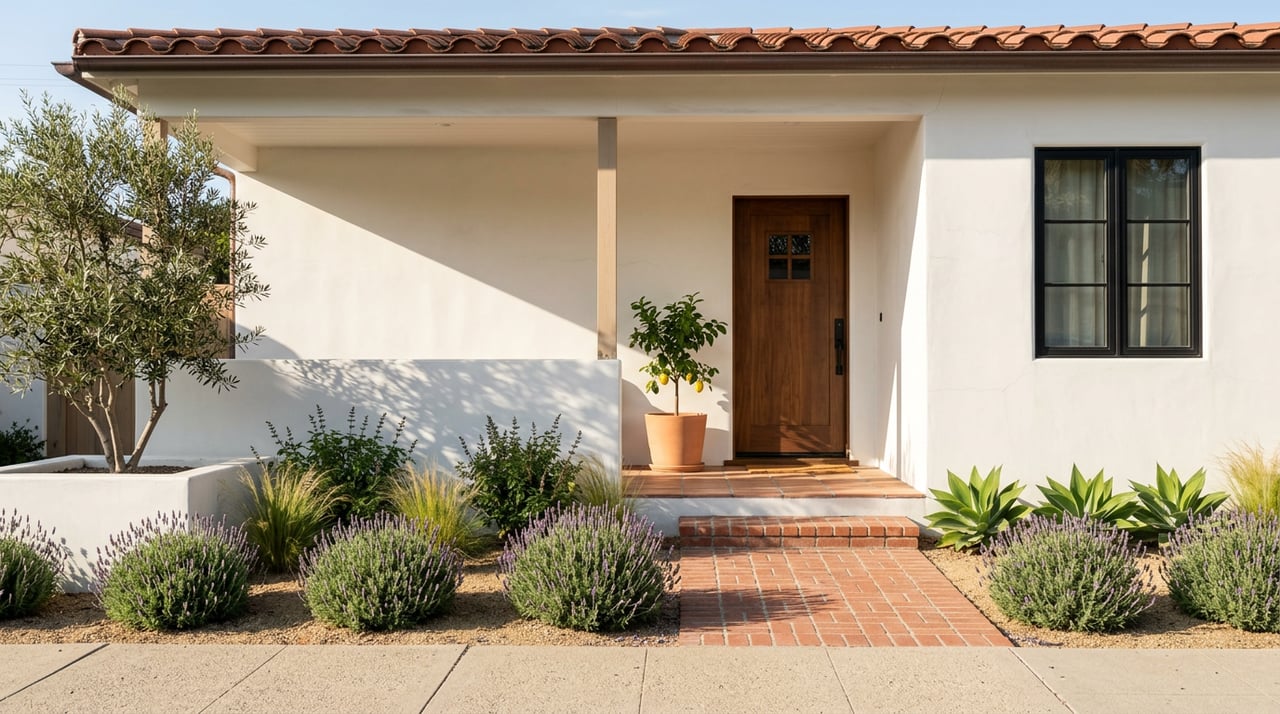
A house usually gives you more privacy, fewer shared walls, and more direct control over your property. If you care about having a yard, changing landscaping, or planning future upgrades, a detached home often gives you more room to shape the space around your needs.
That flexibility can matter even more over time. If you think you may need a home office, extra bedroom, aging-parent setup, or room for future expansion, a house may provide a stronger long-term fit. In some cases, it may also offer the possibility of an accessory dwelling unit, subject to city rules and any site-specific constraints.
For buyers focused on control and future options, a house often wins. You are typically trading up in price and maintenance responsibility, but gaining more freedom in return.
Why Condos and Townhomes Make Sense
Condos and many townhomes often offer a lower price entry point in Sherman Oaks. Based on current median listing figures, that difference can be substantial when compared with detached homes in the area.
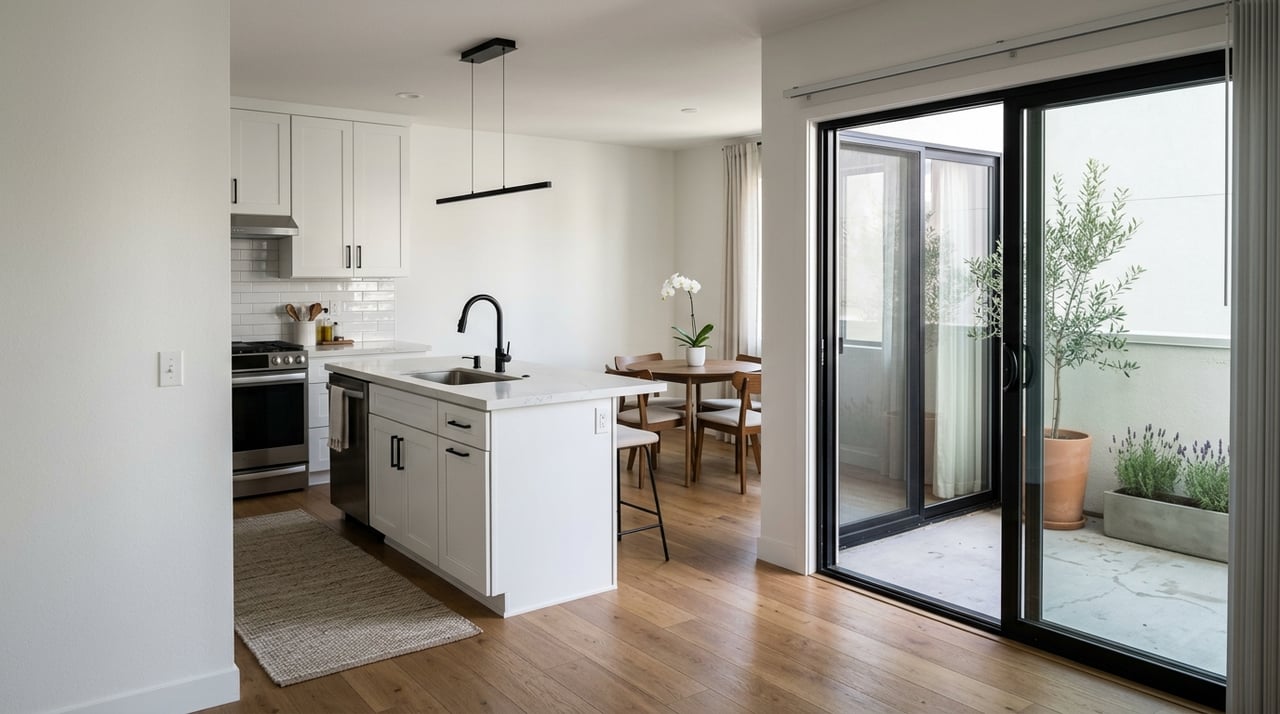
They can also reduce the amount of exterior upkeep you manage yourself. If you like the idea of a more predictable day-to-day ownership experience, especially near commercial corridors and more walkable parts of the neighborhood, a condo or townhome may fit your lifestyle better.
That convenience comes with structure. You will usually be part of a homeowners association, and that means monthly dues, shared rules, and less individual control over certain exterior or common-area decisions.
HOA Rules Change the Equation
One of the biggest differences between a house and a condo in Sherman Oaks is the role of the HOA. Condominiums and many townhomes come with automatic HOA membership, and those associations enforce CC&Rs, collect dues, and manage common responsibilities through an elected board.
HOA budgets often cover common-area maintenance, reserves, administration, insurance, cleaning, and sometimes utilities or services. That can be helpful, but it also means your monthly cost is not just your mortgage, taxes, and insurance.
You should also know that not every house is HOA-free. A detached property may still sit inside an HOA-governed development, so this is something to verify property by property.
Monthly Cost Is More Than Price
A lower purchase price does not always mean a lower monthly carrying cost. With condos and townhomes, HOA dues can add a meaningful monthly expense, and there is also the possibility of special assessments if the association needs major repairs or replacements.
With houses, you may avoid HOA dues in some cases, but you take on more direct responsibility for exterior maintenance, repairs, and property upkeep. That can include roof work, landscaping, drainage, paint, and other items an HOA might otherwise help manage in an attached-home setting.
In Sherman Oaks, the smarter comparison is not just sticker price. It is the full monthly and annual cost of ownership, including predictable expenses and the less obvious ones.
Insurance Works Differently
Insurance is another area where houses and condos can differ in important ways. For condo owners in California, a unit-owner policy typically covers personal property, liability, loss of use, and certain interior improvements the owner is responsible for maintaining.
The homeowners association generally insures the building structure and common areas through its master policy. Even so, buyers should ask what the master policy covers and whether they need added protection such as loss-assessment coverage or earthquake coverage.
For houses, homeowners insurance is the main policy, and California insurers must offer earthquake coverage for an additional premium. In Los Angeles, where replacement costs and earthquake decisions can materially affect your carrying costs, insurance should be part of the conversation early.
Property Taxes Can Surprise Buyers
Your first-year cost after closing may be higher than the mortgage payment alone suggests. In California, a change in ownership or completion of new construction can trigger a supplemental property tax bill.
That supplemental bill is separate from the regular annual tax bill. The county assessor revalues the property, and the new owner may receive an additional bill after closing.
This matters whether you buy a house, condo, or townhome. If you are setting your budget for Sherman Oaks, it is wise to account for that possibility up front rather than treat it as a surprise later.
Think About Your Five-Year Plan
The best choice often becomes clearer when you stop asking which property looks better today and start asking which one supports your life five years from now. If convenience, shared amenities, and lower hands-on upkeep matter most, a condo or townhome may be the right fit.
If privacy, space, and future adaptability are higher priorities, a house may be worth the extra cost and responsibility. That is especially true if you think your household needs could change through remote work, visiting family, or a desire for more flexible living arrangements.
In Sherman Oaks, this is not really a status decision. It is a planning decision.
Questions to Ask Before You Decide
A clear side-by-side comparison can save you from expensive assumptions. As you evaluate homes in Sherman Oaks, make sure you get answers to these questions:
- Is this property legally a condo, a townhouse-style condo, a planned development, or a standard subdivision?
- Is there an HOA, and if so, what are the monthly dues?
- What do the CC&Rs say about pets, leasing, exterior changes, windows, fences, and renovations?
- How strong is the HOA reserve fund?
- Have there been any recent or anticipated special assessments?
- What does the HOA master insurance policy cover, and what must you insure separately?
- For a house, is there realistic expansion or ADU potential?
- Are there hillside-related rules or physical constraints that may affect future changes?
- What supplemental property tax bill might apply after closing?
- If your household changes, will this property still work for your next five to ten years?
The Bottom Line in Sherman Oaks
In general, houses in Sherman Oaks tend to win on privacy, control, and long-term flexibility. Condos and townhomes tend to win on price entry, convenience, and lower hands-on exterior upkeep.
Neither option is automatically better. The right answer depends on your budget, your comfort with HOA rules, your tolerance for maintenance, and how you expect your life to evolve over time.
If you want help comparing specific properties in Sherman Oaks and pressure-testing the real monthly cost, ownership structure, and future upside, Adam Dehrey offers thoughtful, concierge-level guidance tailored to how you actually want to live.
FAQs
What is the main difference between a Sherman Oaks house and condo?
- A house usually gives you more privacy, more control over the property, and more flexibility for future changes, while a condo usually offers a lower entry price and less exterior maintenance.
Do Sherman Oaks condos always have HOA dues?
- Condominiums and many townhomes typically come with automatic HOA membership, which usually means monthly dues and shared rules.
Can a Sherman Oaks house still have an HOA?
- Yes. A detached house may still be part of an HOA-governed development, so you should verify that on each property rather than assume.
Are townhomes in Sherman Oaks the same as condos?
- Not always. In California, a townhome can have a planned development structure or a condominium-style ownership structure, so you need to review the legal documents.
Are condos cheaper than houses in Sherman Oaks?
- Based on spring 2026 market figures, current condo listings in Sherman Oaks have a lower median price than townhomes and the broader market, which often makes them a more accessible entry point.
What insurance should a Sherman Oaks condo buyer ask about?
- You should ask what the HOA master policy covers, what your unit-owner policy must cover, and whether loss-assessment and earthquake coverage make sense for the property.
What is a supplemental property tax bill in Sherman Oaks?
- After a purchase or new construction, the county assessor may revalue the property and issue a supplemental tax bill that is separate from the regular annual bill.
Which is better for long-term flexibility in Sherman Oaks?
- A house is usually better for long-term flexibility if you may want more space, remodeling options, or possible ADU potential later on.