Could Studio City be your next home base? If you love the idea of a neighborhood vibe with a lively main street, quick access to canyons and trails, and a short hop to major studios, it might be. Whether you’re upsizing for more space or looking for a polished but relaxed place to land, you’ll find plenty to like here.
In this guide, you’ll get a clear picture of everyday life in Studio City: housing options, commutes, schools, parks, and the dining scene along Ventura Boulevard. You’ll also see where the tradeoffs are and how to plan your move with confidence. Let’s dive in.
Studio City at a glance
Studio City sits on the south slope of the Santa Monica Mountains in the San Fernando Valley, centered on Ventura Boulevard. It borders Universal City, Toluca Lake, Sherman Oaks, and North Hollywood, and it takes its name from a historic motion picture studio that became CBS Studio Center. The result is a Hollywood-meets-Valley identity: creative-industry roots, a suburban rhythm, and a neighborhood main street that anchors daily life.
Ventura Boulevard is the daily hub. You’ll find brunch spots, coffee shops, independent boutiques, fitness studios, salons, and everyday services in a walkable stretch. Weekends bring a steady flow of families running errands and professionals meeting friends for coffee or dinner.
Compared with neighborhoods south of the hills like Hollywood or West Hollywood, Studio City is quieter after dark. It leans residential and family-focused, with most people relying on cars for errands and commuting. Population and household makeup vary across the neighborhood, with a mix of professionals, families with children, and longtime Valley residents.
Homes and neighborhoods
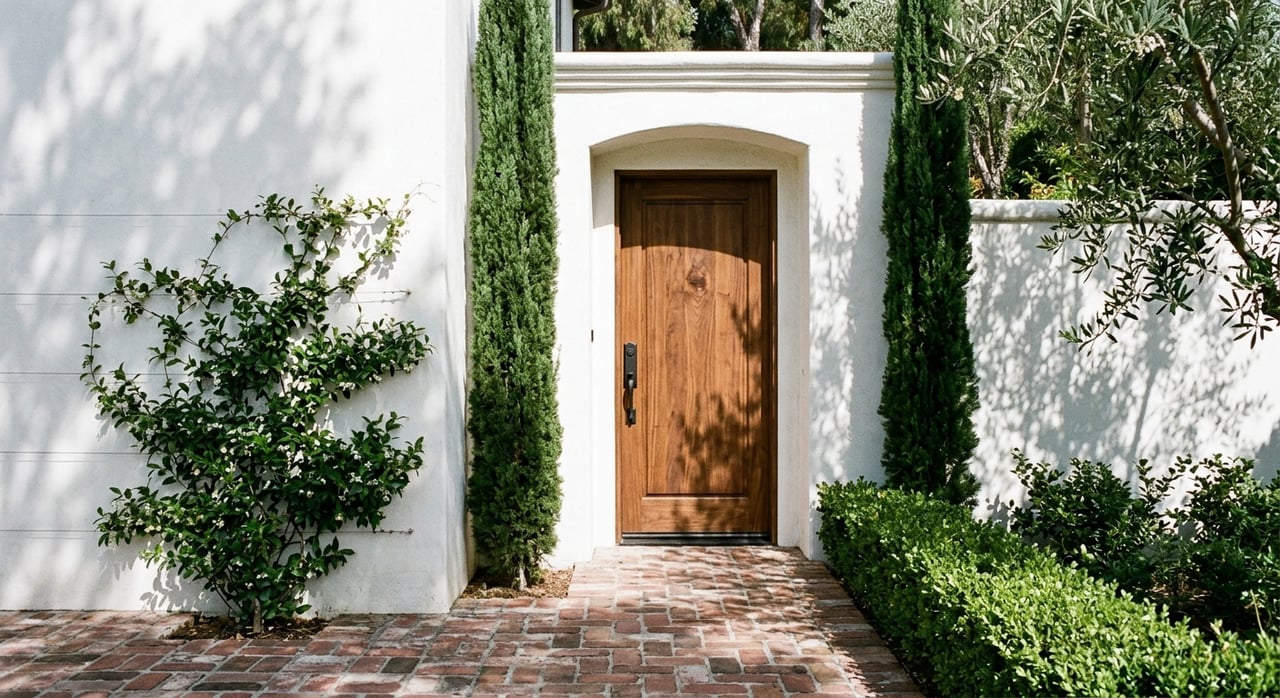
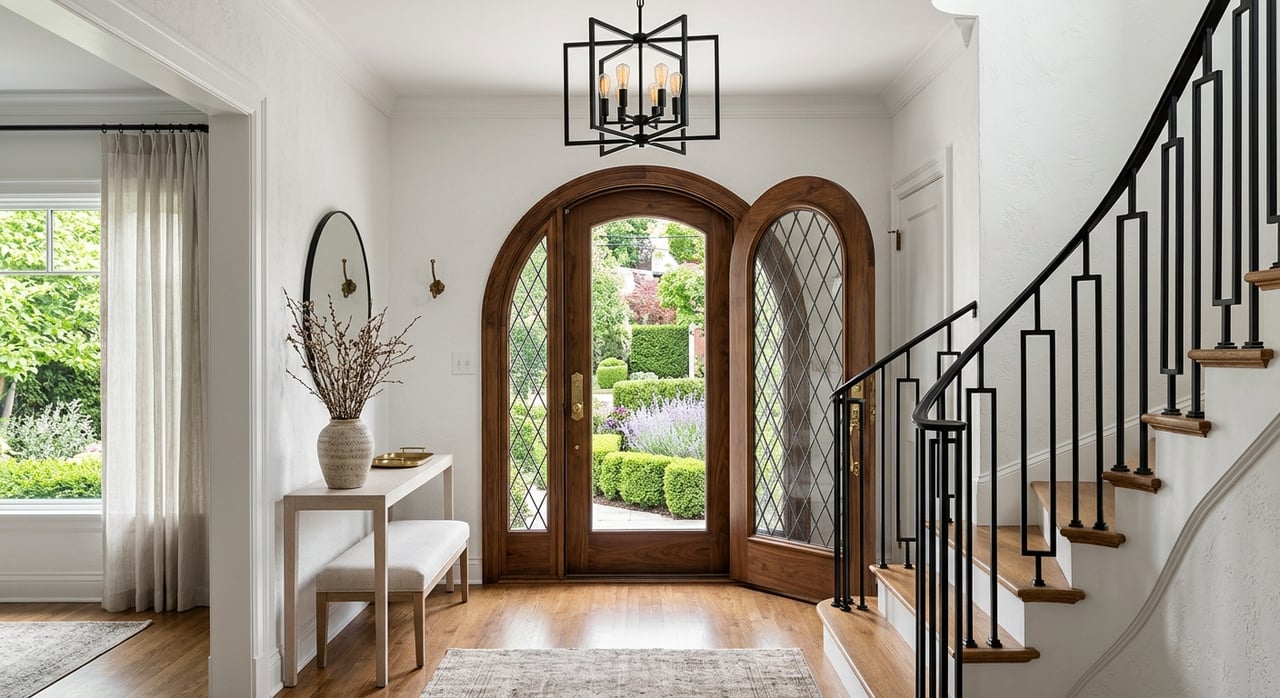
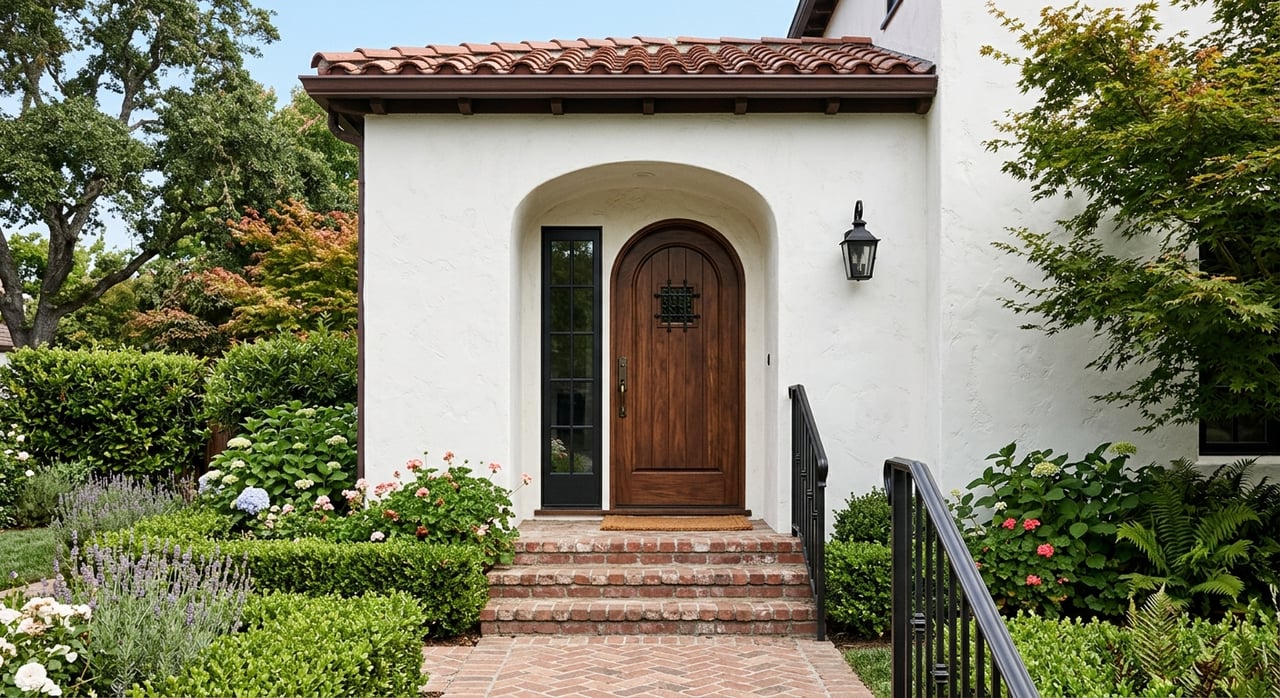
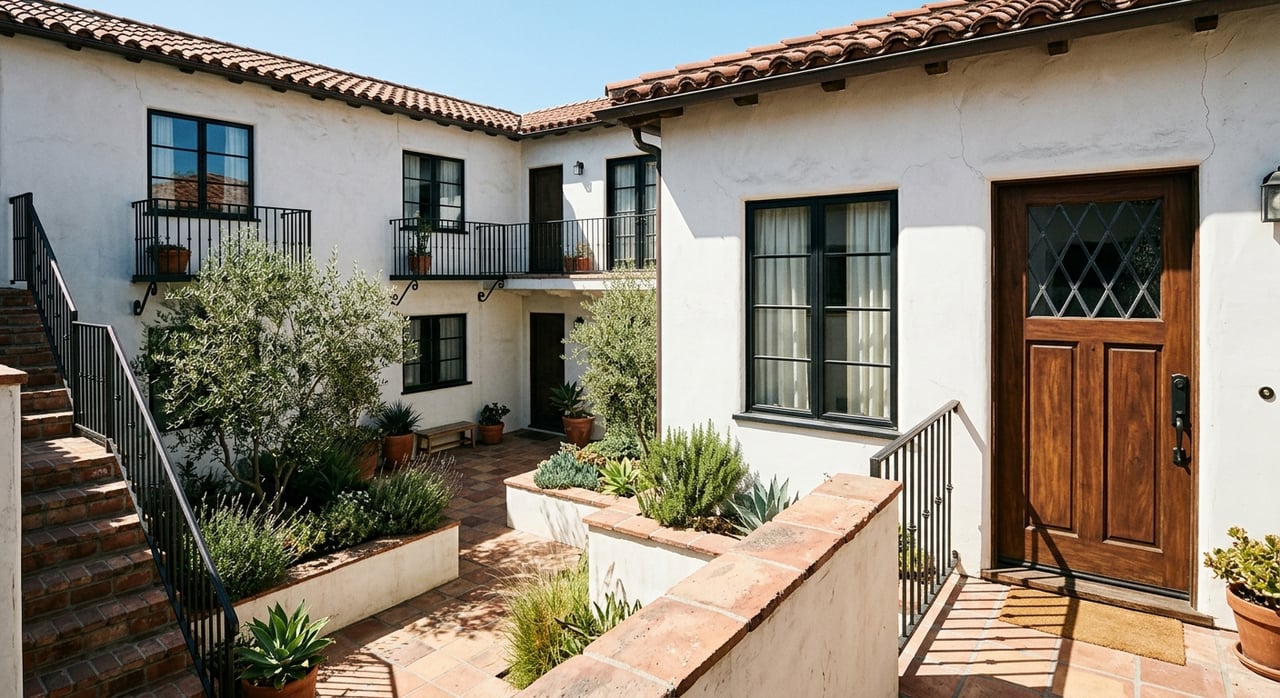
Studio City’s housing blends hillside enclaves with quieter interior streets and more active corridors near Ventura. You’ll see single-family homes with a range of architectural styles alongside low-rise condos, garden apartments, and a few townhomes.
Common home styles
- Mediterranean and Spanish homes on leafy streets and in the hills
- Classic Ranch and mid-century modern properties, often updated over time
- Contemporary rebuilds on teardown lots in high-demand pockets
- Period Craftsman bungalows closer to older residential blocks
ADUs are becoming more common as families look for flexible space. You’ll also notice occasional teardown-to-luxury rebuild projects on desirable streets, along with mid-block infill near commercial corridors.
Market patterns to expect
- Single-family homes in Studio City generally command a premium compared with many Valley neighborhoods, thanks to location, schools, and proximity to studios and the hills.
- Condos and small townhomes are the lower-cost entry point, though they still trend higher than much of the Valley.
- Well-located homes near parks, popular schools, or Ventura Boulevard often see competitive pricing and renovation activity.
If you plan to expand or renovate, factor in hillside regulations, grading, and permit timelines. LA City Planning and the Department of Building and Safety oversee these rules, which are especially important on sloped lots.
Tips for upsizing families
- Look to hillside pockets and residential streets north of Ventura for larger lots and quieter blocks.
- Expect driveway and street parking as the norm. Many homes have garages, but confirm garage size and storage if you’re trading up from a smaller home.
- Prioritize layout and outdoor space. Gated or enclosed yards are common and helpful for play areas and pets.
Getting around
Studio City is car-oriented, with a few key routes shaping daily movement. Drive times vary widely by hour, so it pays to test commute routes during peak periods.
Car commuting
Ventura Boulevard runs east to west and serves most local errands. Laurel Canyon, Coldwater Canyon, and Tujunga Canyon connect you to the 101 and the Valley floor or over the hills toward Hollywood and the Westside. Commuting to nearby job centers such as Burbank, Universal, or Hollywood can be relatively quick, while trips to Downtown or the Westside stretch during rush hour.
Transit options and alternatives
Studio City has solid bus coverage along Ventura and connecting north–south routes. The Metro B Line subway stops at Universal City/Studio City near the neighborhood’s eastern edge, offering a direct link to Hollywood and Downtown. Ride-hail is common for short trips and evenings out. Biking works for nearby errands along Ventura, though the hills limit longer rides for some residents.
Parking and walkability
Commercial stretches offer metered parking and small lots. Residential streets are mostly free, with some blocks using permits or posted restrictions. Walkability is highest along Ventura Boulevard, while interior neighborhoods rely more on cars for daily needs.
Schools and family life
Public schools in Studio City are part of the Los Angeles Unified School District. You’ll also find charter and private options in and near the neighborhood. School programs and offerings vary, and many families research their exact options due to charter and magnet placements and parental choice policies.
How to research schools
- Check LAUSD’s school finder to see potential assignments and programs.
- Review the California Department of Education dashboard for state-reported data and indicators.
- Explore charter and magnet offerings and note application processes and deadlines.
- Consider private options in Studio City and nearby neighborhoods if they fit your preferences.
Families often balance school choice with commute needs and neighborhood fit. If a particular program matters to you, verify enrollment boundaries and placement policies before you make housing decisions.
Parks, trails, and after-school options
Studio City is close to Fryman Canyon and Coldwater Canyon, two popular open-space areas for short hikes and dog-friendly outings. The Studio City Recreation Center and smaller parks offer playgrounds, sports, and community programs. A short drive expands your options to the Sepulveda Basin and Griffith Park, known for broader recreation and cultural amenities.
Dining, shopping, and culture
Ventura Boulevard supplies a neighborhood-first dining scene. Expect casual brunch spots, coffee roasters, wine bars, sushi counters, and a range of cuisines, plus fitness studios, salons, and specialty retail. It’s lively in the evenings without being a late-night club district.
Proximity to CBS Studio Center and Universal boosts weekday energy and supports a cluster of production services and creative businesses. Small theaters and performance venues can be found in and around the area, while larger entertainment options sit a short drive away in Universal City and Hollywood.
Grocery stores, pharmacies, dental offices, urgent-care clinics, and everyday services are easy to reach. Larger hospitals and specialty care centers are nearby in Burbank, Hollywood, and across the Valley.
A day in the life
Family perspective
You start with a calm morning on a quiet side street. School drop-off is close by, so you weave the local route and avoid the main canyon roads. Coffee and a quick errand on Ventura follow, and you’re back home before your first video call. After school, one child has a practice at the recreation center while you take the dog for a quick Fryman Canyon loop. Dinner is a walk or short drive away along Ventura, and you’re home before bedtime.
Professional perspective
You head to the Universal City/Studio City station and take the B Line into Hollywood for a morning meeting. Lunch is back on Ventura with a colleague, then you slip into a workout at a nearby studio. An evening event near the studios wraps the day, and a rideshare gets you home without worrying about parking.
Is Studio City right for you?
Studio City fits if you want a neighborhood that balances convenience with a relaxed pace. You’ll appreciate the daily services along Ventura, access to canyon trails, and practical commutes to studios and nearby job centers. You should also be comfortable with an auto-centric lifestyle and the premium that homes here often command within the Valley.
Consider your priorities:
- You value walkable dining and errands in a compact corridor.
- You want access to trails and parks without a long drive.
- You need realistic commute routes to Burbank, Hollywood, or Downtown.
- You’re planning for more space, a future renovation, or an ADU.
Planning your move
Set yourself up for a smooth transition with a focused plan.
- Define must-haves: bedrooms, office space, outdoor area, garage and storage.
- Test commutes at typical rush hours and note canyon-route backups.
- Map your school research timeline, including charter or magnet applications.
- If you’re considering a remodel or addition, review hillside and building rules early.
- For value-add potential, look for layout flexibility, lot size, and ADU feasibility.
A patient, step-by-step approach helps you act quickly when the right home appears. If you need off-market options or a deeper read on renovation scope and costs, a local advisor can guide you through due diligence and contractor introductions.
Safety, planning, and development notes
Studio City is patrolled by the Los Angeles Police Department, with sector coverage depending on your exact location. Perceptions of safety are typically positive compared with some central-city areas, though property crime and vehicle break-ins are common concerns across Los Angeles. Check current data with LAPD crime mapping tools and neighborhood council updates.
On the planning side, Studio City falls under Los Angeles city zoning with specific hillside overlays in sloped areas. Recent state and city housing laws have streamlined ADUs and some multi-unit paths, which is why you’ll see more incremental density near corridors and rebuilds on desirable streets. If you are weighing a major project, review city guidance early to understand timelines and approvals.
The bottom line
Studio City offers a comfortable, everyday rhythm anchored by Ventura Boulevard, close access to trails, and practical commutes to major studios and creative hubs. Housing ranges from hillside homes with character to convenient condos near the corridor, and families value the mix of school options and after-school activities. If you want a neighborhood that feels polished yet down-to-earth, Studio City delivers.
When you’re ready to map your options, explore on-the-ground inventory, and pressure-test a plan for schools, commute, and value-add potential, reach out to Adam Dehrey. You’ll get boutique, patient representation with technical guidance and marketing reach that helps you act with clarity.
FAQs
How does Studio City compare to Sherman Oaks and Toluca Lake?
- All are Valley neighborhoods with a family orientation. Studio City has a more concentrated commercial spine along Ventura and closer ties to the studio industry. Toluca Lake is more compact. Sherman Oaks spans a larger area with broader pricing variety.
Will I need a car to live in Studio City?
- Most residents rely on cars for errands and commuting. The Metro B Line at Universal City/Studio City and bus routes along Ventura support some transit commutes, and ride-hail is common for short trips.
Where can I find larger yards in Studio City?
- Look to residential streets north of Ventura and the hillside enclaves. These pockets often offer larger lots and quieter blocks, with quick access to Fryman Canyon and local parks.
How long is the commute to Downtown LA or the Westside from Studio City?
- Timing is very traffic dependent. Trips to Downtown or the Westside lengthen during rush hours. The B Line can shorten some Downtown commutes from the Universal City/Studio City station.
Are there hiking trails and parks near Studio City?
- Yes. Fryman Canyon and Coldwater Canyon offer popular short hikes and dog-friendly open space. The Studio City Recreation Center provides fields, courts, and programs for families.