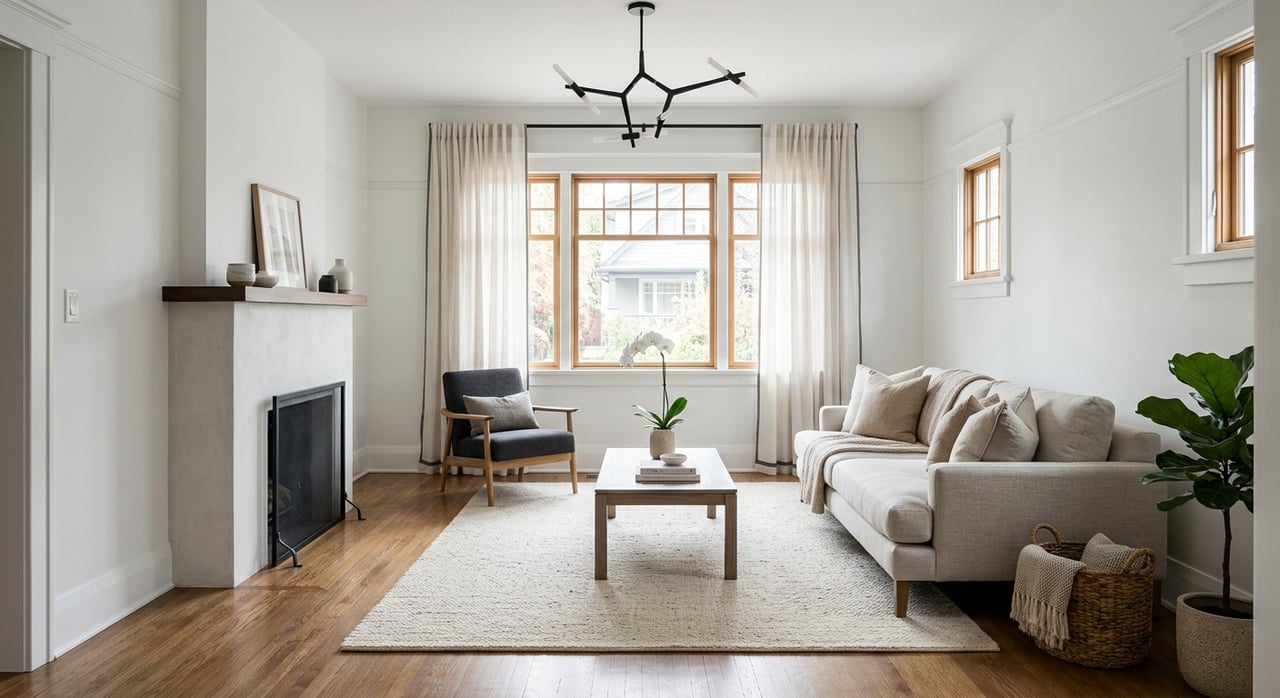
Thinking about selling your Studio City home and wondering what is actually worth doing before you list? In a market where some homes still attract strong interest but many sell near or slightly below asking, smart prep can matter more than big spending. If you want to make confident decisions about pricing, presentation, and repairs, a focused plan can help you protect both your time and your bottom line. Let’s dive in.
Why prep matters in Studio City
Studio City is not a market where you can count on any list price being accepted just because inventory exists. Current public market trackers place the median sale price roughly between $1.79 million and $1.97 million, with sale-to-list trends showing many homes closing near or a little below asking.
That creates an important takeaway for sellers. Condition, presentation, and pricing alignment still matter. A well-prepared launch often gives you a better outcome than listing first and hoping the market pushes the price higher later.
Public data also shows that broad neighborhood averages can hide a lot. In Studio City, pricing can vary widely by property type, size, and condition, so your prep strategy should match your home’s real competition, not just the neighborhood name.
Start with pricing before upgrades
Before you spend money on projects, start by looking at the most recent closed comparable sales. In Studio City, list price is a strategy, not a result, and current data suggests sellers should avoid assuming that every improvement automatically creates a higher value ceiling.
This is especially important in a negotiated market. Redfin reports average sales around 1.3% under list, while Zillow shows a median sale-to-list ratio of 0.985 and a meaningful share of homes selling below asking.
That does not mean buyers are unwilling to pay up. It means buyers tend to pay up for homes that feel well-positioned from day one. If your home is clean, polished, and priced in line with recent comps, you have a better chance of attracting serious attention early.
Focus on the prep that buyers notice first
If you are deciding where to put your effort, the highest-impact items are often the simplest ones. According to the 2025 NAR staging report, the most common seller recommendations were decluttering, whole-home cleaning, and curb appeal improvements.
Those basics matter because they shape a buyer’s first impression right away. They also help your photos, showings, and open house presentation feel more consistent and intentional.
A practical Studio City pre-listing checklist often starts here:
- Remove excess furniture and personal items
- Deep clean the entire home
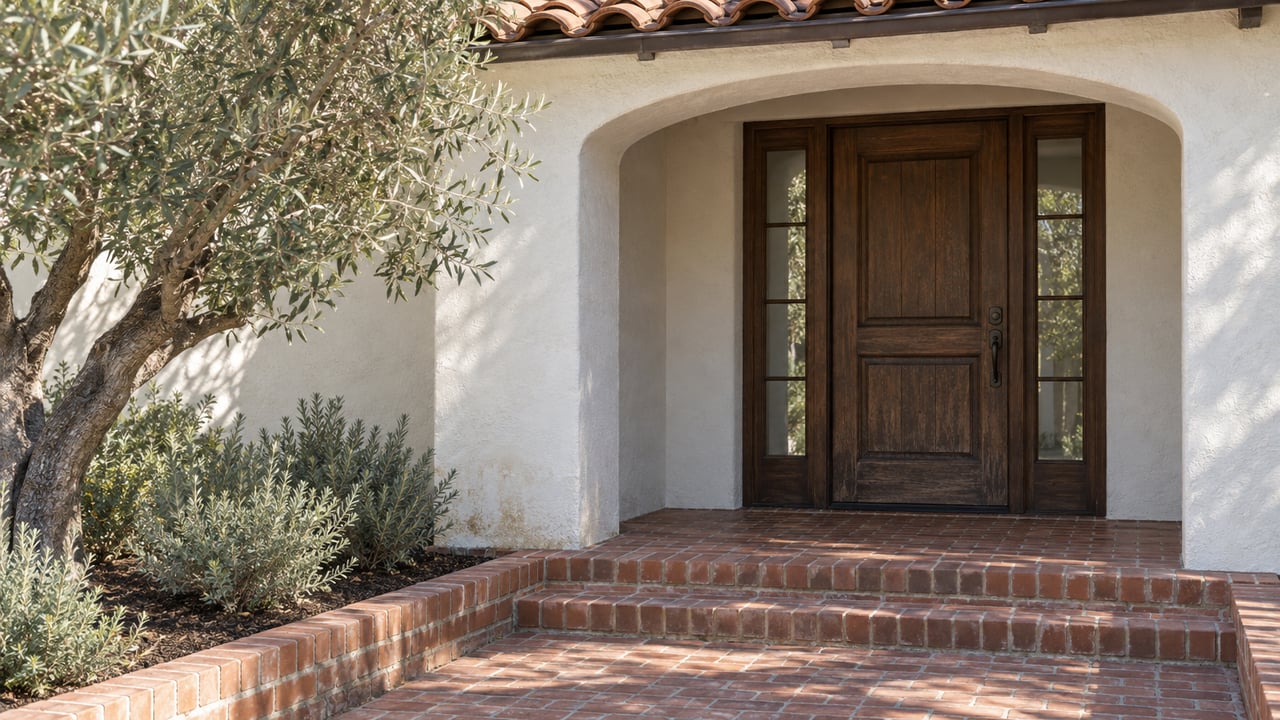
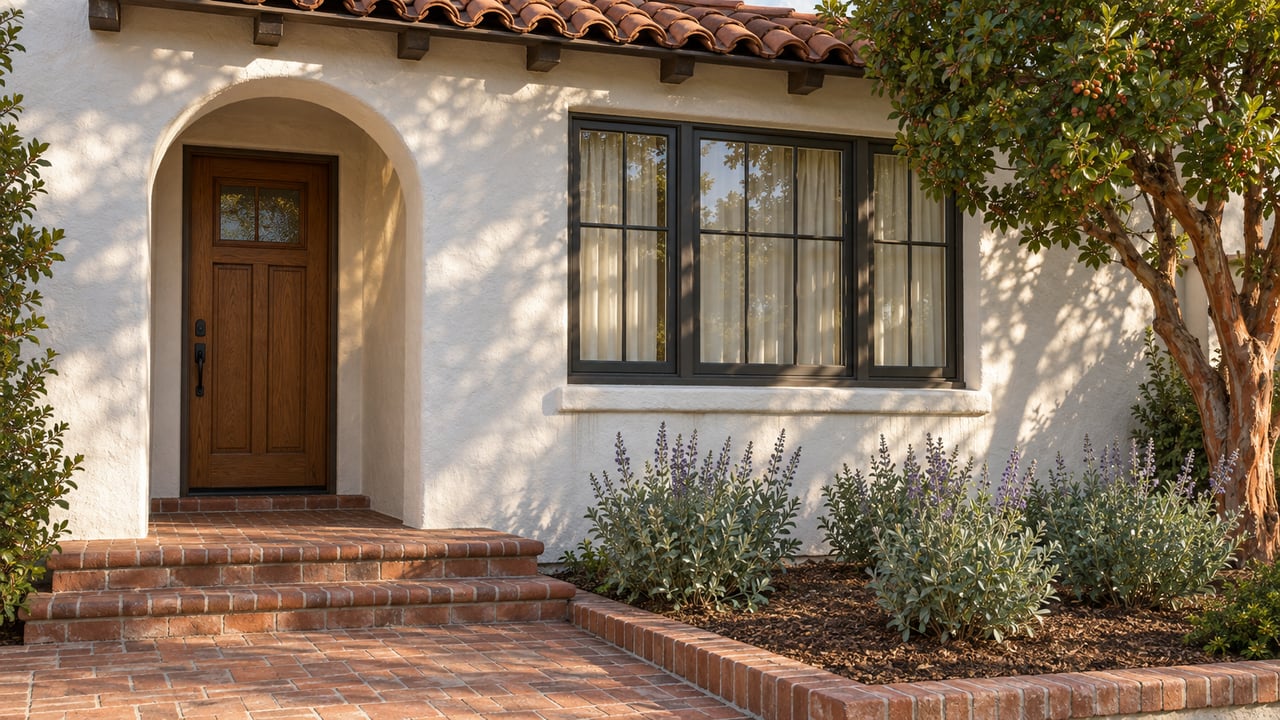
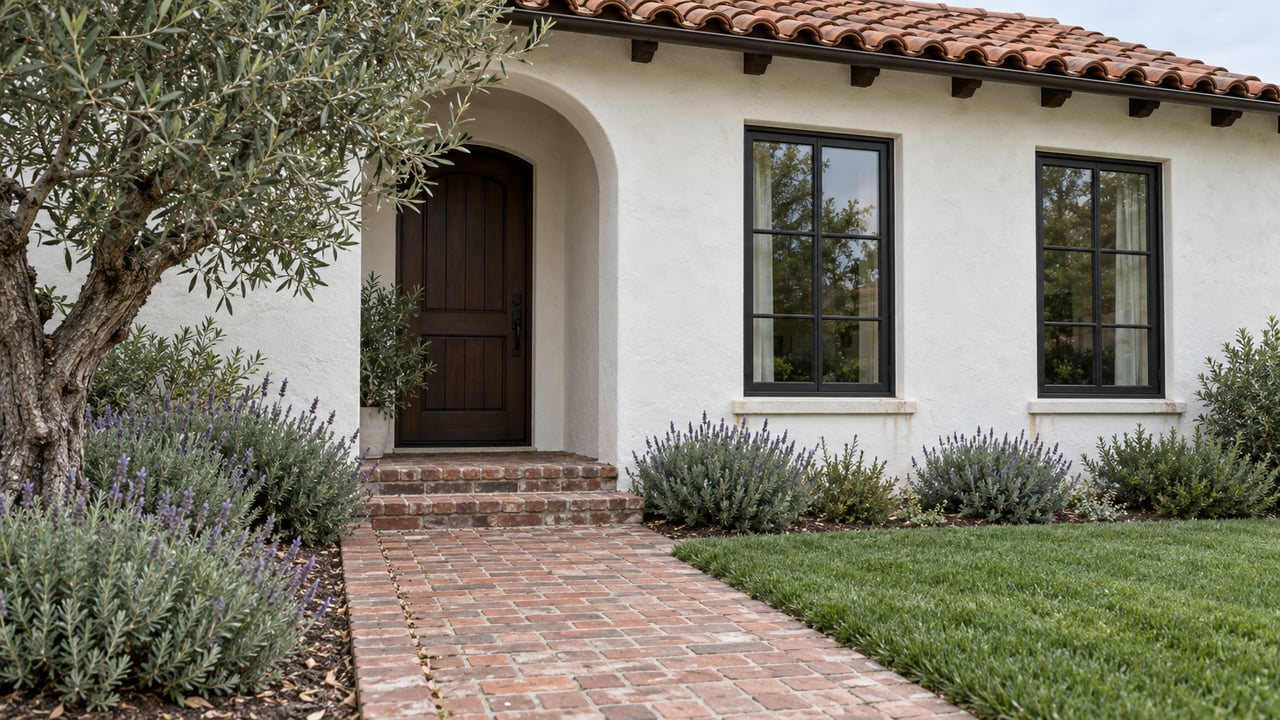
- Refresh the front entry and visible exterior areas
- Address obvious wear, damage, or deferred maintenance
- Simplify shelves, counters, and closets
You do not always need a dramatic transformation. In many cases, clarity beats customization when you are preparing to sell.
Use staging strategically
Staging can help buyers picture the home more clearly, and that can influence both timing and offers. In NAR’s 2025 survey, 83% of buyers’ agents said staging made it easier for buyers to envision the property as their future home. The same report found that 49% of sellers’ agents said staging reduced time on market.
That does not mean every Studio City seller needs full-service staging throughout the entire property. Budget matters, and NAR reported a median staging-service cost of $1,500, while some agent-led staging support came in closer to $500.
The bigger lesson is that staging should be selective and purposeful. If you want to prioritize, the rooms that matter most are:
- Living room
- Primary bedroom
- Kitchen
Those are the spaces buyers’ agents ranked highest for staging importance. If your budget is limited, focus there first.
Choose polish over over-improving
One of the most common seller mistakes is putting too much money into upgrades that do not clearly match the market. In Studio City, where many homes still sell close to list or slightly below, the goal is usually to look move-in ready at your price point, not to outspend your likely return.
The 2025 remodeling findings point toward visible, broadly appealing improvements rather than highly personal renovations. Realtors most often recommended painting the whole home, painting a single room, and installing new roofing before listing.
If you are deciding between a major remodel and a more measured refresh, the measured refresh is often the smarter first move. Projects with strong reported cost recovery included:
- New steel front door
- New fiberglass front door
- Closet renovation
Fresh paint, a sharper entry, and better organization can often do more for marketability than a custom remodel designed around personal taste.
Know what may require a permit
Before you hire someone or start opening walls, it is worth checking whether your planned work is truly cosmetic. In Los Angeles, LADBS handles plan review, permitting, inspections, and code enforcement, and the city states that permits are required for construction, alteration, or repair work on buildings, though some simple projects do not require plan review.
LADBS guidance helps separate many cosmetic items from permit-sensitive work. Examples that generally do not require a permit include carpeting, many countertop changes, some cabinet refinishing, cosmetic floor-covering material, and surface patching or painting on stucco.
By contrast, work involving the following generally does require permits:
- New cabinets
- Structural flooring work
- Electrical changes
- Plumbing work
- Re-roofing
If a project touches structure, rooflines, electrical, plumbing, or anything beyond a surface-level update, verify the requirements before moving forward.
Check permit history early
If your home is older or has had additions, permit history deserves attention before you go live. LADBS notes that permits and inspections are required by law and provide important documentation when you sell or refinance.
This can become especially important when a buyer starts reviewing disclosures and property history. It is usually easier to research records and sort out questions before listing than to react once a buyer raises concerns during escrow.
For Studio City sellers, this is a practical step, not just paperwork. If you suspect past work may have been done without permits, pull the property records first and review them before deciding what to repair, disclose, or leave as is.
Be thoughtful with disclosures
California seller disclosures are a core part of the process, not an afterthought. The California Department of Real Estate states that the Real Estate Transfer Disclosure Statement is a condition disclosure rather than a warranty, and the Natural Hazard Disclosure Statement addresses flood, fire, earthquake fault, and seismic hazard zones.
These items matter because they can affect a buyer’s understanding of the property and, in some cases, insurance or future development considerations. The best approach is usually to prepare early, gather the right information, and avoid surprises later.
If you already know about a condition issue, incomplete work, or a material feature that may raise questions, it is better to address the conversation upfront. Clear preparation often helps keep negotiations cleaner.
Hire the right help for repairs
When repair work is needed, choose your vendors carefully. The Contractors State License Board advises homeowners to hire licensed contractors and verify the contractor’s license or Home Improvement Salesperson registration before signing an agreement.
That matters even more when work could expose permit issues or involve technical systems. Cosmetic touch-ups may be straightforward, but repairs involving roofing, plumbing, electrical, windows, or structural elements should be handled with care.
A simple way to think about it is this:
- Use cosmetic updates for presentation
- Use licensed contractors for technical repairs
- Verify permits before doing work that may trigger review
That sequence can help you avoid spending money in the wrong order.
A smart Studio City prep workflow
If you want a practical path forward, keep the process simple and disciplined. In this market, a strong seller plan usually follows a clear sequence.
1. Review current comps
Start with the most recent comparable sales that match your home’s type, size, and condition as closely as possible. This gives you a pricing framework before you decide what to improve.
2. Fix the obvious first
Tackle clutter, cleaning, curb appeal, and visible deferred maintenance. These are the issues buyers notice quickly, both online and in person.
3. Stage the key rooms
Put your energy into the living room, primary bedroom, and kitchen. These spaces tend to shape emotional response and photo performance.
4. Separate cosmetic from technical work
Use city guidance and qualified professionals to determine whether a project is cosmetic, permit-sensitive, or a true repair issue. This helps prevent delays and wasted spending.
5. Prepare disclosures and records
Gather permit information, repair history, and disclosure details before your home hits the market. Early organization can make the transaction smoother once offers come in.
The goal is not perfection
The smartest prep for selling your Studio City home is not about making it brand new. It is about making it easy for buyers to understand the value, trust the condition, and feel comfortable writing an offer.
In today’s Studio City market, that usually means pricing from current comps, improving visible condition, focusing your staging where it matters most, and checking permit or disclosure issues before they become deal friction. A calm, well-planned launch often beats a rushed or overbuilt one.
If you want a tailored pre-listing strategy for your Studio City property, Adam Dehrey offers concierge seller guidance with the local market insight and polished presentation needed to help your home stand out.
FAQs
What prep adds the most value before selling a Studio City home?
- For many Studio City sellers, the most practical high-impact steps are decluttering, deep cleaning, improving curb appeal, and addressing visible condition issues before listing.
What rooms should I stage when selling a Studio City house?
- The living room, primary bedroom, and kitchen are usually the top rooms to prioritize because buyers’ agents ranked them as the most important spaces for staging.
Do I need a permit for cosmetic work on a Studio City home?
- Some cosmetic work generally does not require a permit in Los Angeles, including carpeting, some cabinet refinishing, many countertop changes, and certain floor-covering updates, but work involving structure, plumbing, or electrical generally does require review.
Should I remodel my Studio City home before selling?
- Usually, it makes sense to start with paint, cleaning, staging, and visible repairs before considering major remodeling, unless a larger item is clearly failing or far below local market standards.
What should I do if I suspect unpermitted work on my Studio City property?
- Review LADBS property records before listing so you can understand the permit history early and address any questions before a buyer raises them during the sale process.
How should I price my Studio City home before listing?
- Price should be based on recent closed comparable sales that closely match your home’s type, size, and condition, since Studio City market data shows that many homes sell near or slightly below asking rather than far above it.