If you are shopping in Studio City, one of the biggest mistakes you can make is treating it like one uniform neighborhood. Two homes with similar square footage can offer very different daily routines depending on whether they sit near Ventura Boulevard, by Beeman Park, or up in the hills near Fryman Canyon. Understanding those micro-neighborhood differences can help you focus your search, avoid surprises, and buy with more confidence. Let’s dive in.
Why micro-neighborhoods matter in Studio City
Studio City sits in the southeastern San Fernando Valley and includes a mix of residential pockets, mixed-use corridors, and hillside areas. According to Los Angeles City Planning, much of the area is made up of single-unit neighborhoods, while multi-family and commercial development clusters along corridors like Ventura, Laurel Canyon, Lankershim, Sepulveda, Riverside, and Fulton.
That matters because your experience of Studio City can change block by block. A flatter pocket near Ventura may feel more errand-friendly and connected to restaurants and shops, while a hillside street may offer more privacy, more topography, and a more car-dependent routine.
From a market perspective, Studio City also sits at the premium end of the Valley. Realtor.com reported a median listing price of $2.25 million, a median sold price of $1.965 million, and median days on market of 46 in April 2026. In a market like that, micro-location often plays a major role in value.
Laurel Terrace and Silver Triangle
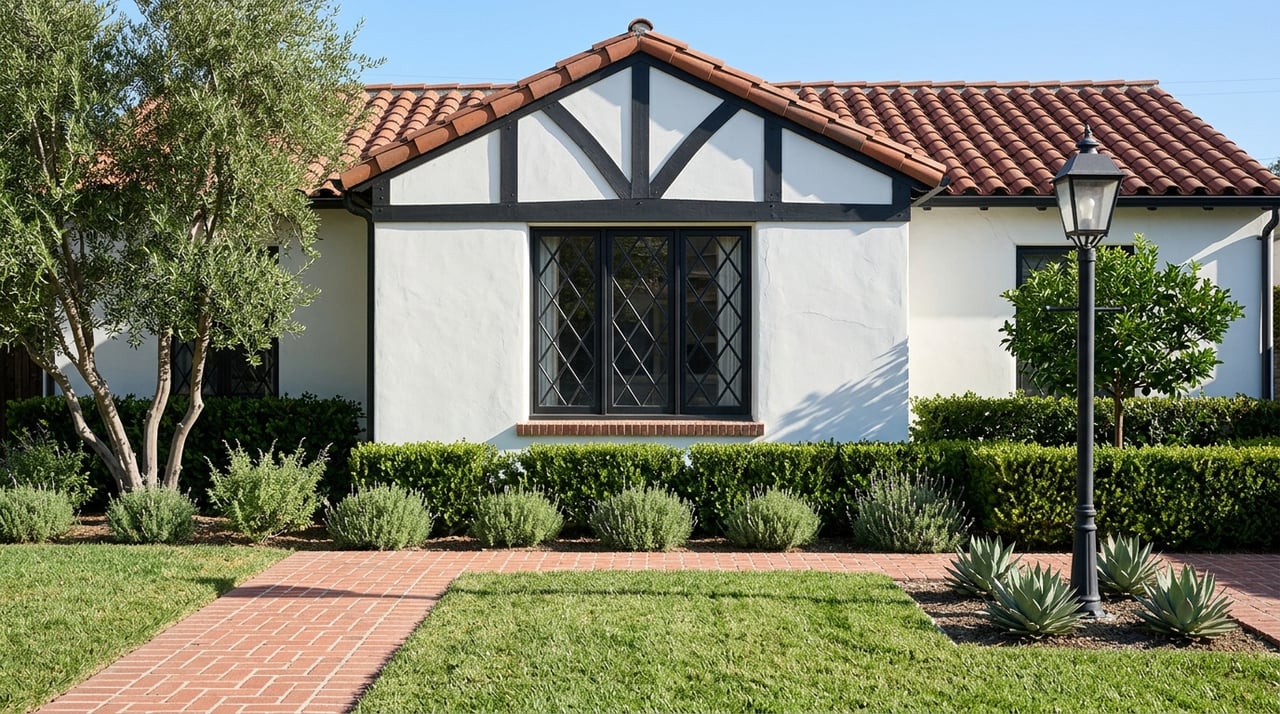
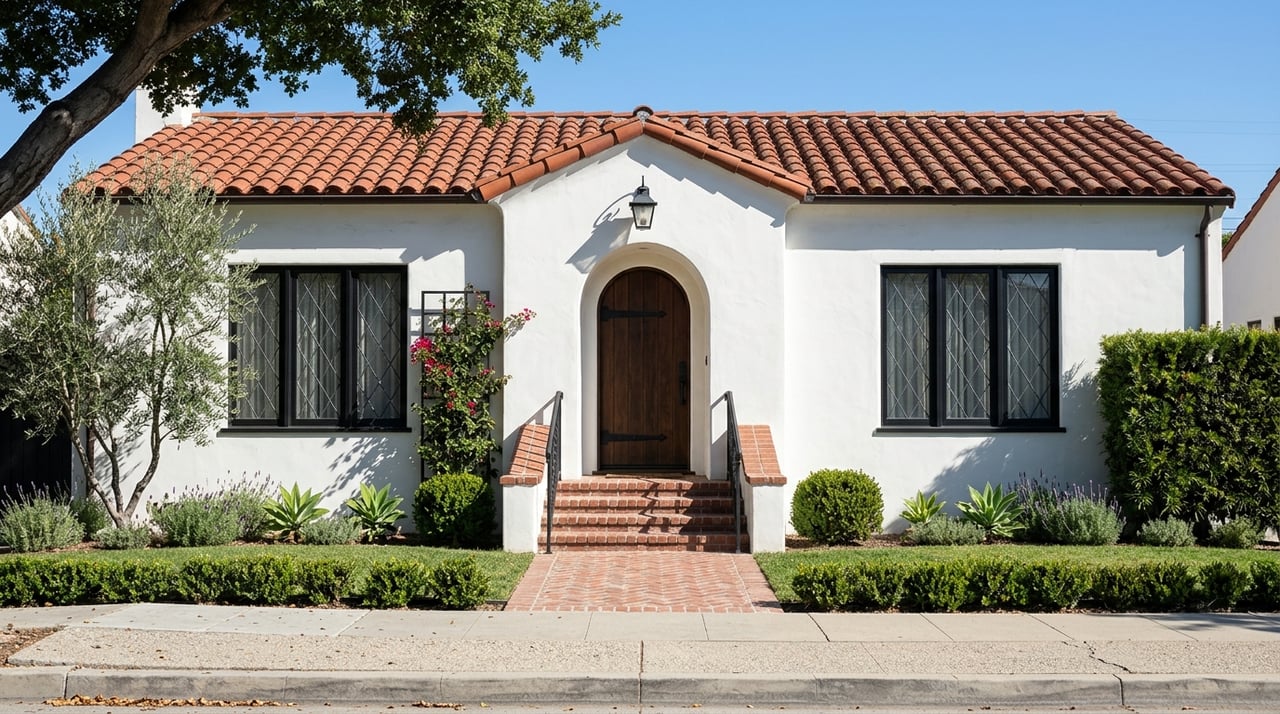
Laurel Terrace is one of Studio City’s earliest residential neighborhoods and remains one of the area’s most recognizable flatland pockets. City Planning describes it as a roughly 12-block district with modest lots averaging about 50 by 135 feet, mostly one-story homes built between 1923 and 1953, and a mix of Spanish Colonial, American Colonial, Minimal Traditional, and Ranch architecture.
For many buyers, the appeal here is the established residential feel. Uniform setbacks, sidewalks, mature trees, and a flat street pattern can make this area feel more cohesive and easier to navigate on foot than some hillside sections nearby.
If you are comparing Laurel Terrace or the Silver Triangle with other parts of Studio City, pay attention to traffic patterns as much as the homes themselves. Neighborhood council records have noted long-running concerns around cut-through traffic and street calming in this area. On tour days, it helps to visit at different times so you can see how a street feels during commute periods or busy weekends.
Colfax Meadows and Agnes Avenue flats
The Colfax and Agnes pocket is another area buyers often treat as its own category. Historic-resources records identify Agnes Avenue as an early residential district tied to Studio City’s entertainment-industry growth, with a small cluster of American Colonial Revival homes built in 1937 and 1938.
The official description highlights deep, uniform setbacks and mature landscaping. Even though the documented Agnes district itself is small, it reflects the broader appeal of the surrounding flats, where buyers often look for a classic neighborhood feel close to Studio City’s main amenities.
When you tour this pocket, look beyond style and curb appeal. Notice the block pattern, street width, parking rhythm, and how close you are to Ventura Boulevard activity. In Studio City, small shifts in location can change noise levels, convenience, and price positioning.
Tujunga Village and Ventura corridor
Tujunga Village is one of the clearest examples of a micro-neighborhood with a distinct identity. Los Angeles City Planning recognizes it as a historic commercial district made up mostly of one-story storefronts built from 1937 to 1954, with a pedestrian-oriented layout, wide sidewalks, mature trees, and limited surface parking.
More broadly, Ventura Boulevard between Laurel Canyon and Whitsett is identified as Studio City’s primary commercial shopping district. Storefronts sit close to the sidewalk, creating a village-scale rhythm that feels different from more auto-oriented commercial strips elsewhere in Los Angeles.
For buyers, this pocket is often about lifestyle. If you want easy access to dining, shopping, and Sunday routines like the Studio City Farmers Market on Ventura Place from 8 a.m. to 2 p.m., this area may check a lot of boxes. The tradeoff is that you may also experience more traffic, parking pressure, and day-to-day commercial activity than you would on a quieter interior street.
Beeman Park area
Around the Studio City Recreation Center, often called Beeman Park, the neighborhood conversation often shifts from architecture to daily living. The 8.46-acre park on Rye Street includes amenities listed by LA Parks such as an auditorium, baseball diamond, basketball courts, tennis courts, play areas, picnic tables, and outdoor fitness equipment.
This pocket also sits within a broader cluster of everyday amenities. City sources place the library, Woodbridge Park, the farmers market, and the recreation center within the same local ecosystem, which helps explain why this part of Studio City feels especially centered on routine and convenience.
If lifestyle is a major part of your home search, this area deserves a closer look. A home near a park or community anchor can shape how you spend your mornings, weekends, and free time just as much as the home’s floor plan.
Briarcliff Manor, Fryman Canyon, and Eureka Summit
If the flatter sections of Studio City feel practical and connected, the hillside pockets often feel more secluded and topography-driven. The Briarcliff Manor Residential Historic District is described by City Planning as a hillside enclave of custom-built Period Revival and Ranch homes on curving streets with no sidewalks, mature trees, and lush landscaping.
Farther into Fryman Canyon, historic-resource records show that estate development began as early as 1923, with broader residential subdivision not fully arriving until the late 1930s. Eureka Summit adds another layer to the hillside mix with early-1960s Mid-Century Modern view-home character.
These areas often attract buyers looking for privacy, canyon setting, or access to trail networks. They can also feel very different from the flatlands in practical ways. Streets may be narrower, sidewalks may disappear, and day-to-day errands usually require more driving.
How daily life changes by pocket
One of the most useful ways to compare Studio City micro-neighborhoods is to think about your weekly routine. Flatland pockets near Ventura, Tujunga Village, and Beeman Park tend to offer a more walkable, errand-friendly experience, along with older one-story homes, modest single-family properties, and some nearby multi-family inventory around larger corridors.
Hillside and canyon pockets usually offer a different value set. You may get more privacy, larger parcels, stronger view orientation, or easier access to outdoor spaces like the Fryman-Wilacre trail network, but you will often give up some convenience and walkability.
Neither option is better across the board. The right fit depends on whether you prioritize quick access to everyday destinations or a more tucked-away residential feel.
Questions to ask on tours
When you are narrowing in on a Studio City pocket, the best questions are often the practical ones. A beautiful house can lose some of its appeal if the block does not match how you actually want to live.
Here are a few smart questions to keep in mind:
- How much cut-through traffic does this street get during commute hours, weekend hiking times, or local peak activity?
- Do you want to be closer to Ventura Boulevard and Tujunga Village, or would you rather be in a quieter hillside setting?
- How do sidewalks, street width, and parking conditions compare from block to block?
- Is the property near a park, trailhead, the farmers market, or the LA River Greenway?
- If school access matters to you, does the location line up with Carpenter Community Charter, Studio City’s neighborhood school?
- Should you check city planning tools such as HistoricPlacesLA or ZIMAS to understand whether the property sits in a historic district or planning overlay?
What this means for your search
In Studio City, the neighborhood name alone is not enough. You are really choosing among several smaller environments, each with its own housing stock, street feel, and daily rhythm.
That is also why pricing can vary so much within the same broader area. Inference from the planning and housing-stock records suggests buyers may pay premiums for different reasons depending on the pocket, whether that is proximity to Ventura, historic-residential character, privacy in the hills, or access to parks and trails.
The more clearly you define your priorities before touring, the faster you can tell the difference between a home that simply looks good online and one that truly fits your lifestyle. If you want help sorting through Studio City block by block, Adam Dehrey offers patient, high-touch guidance grounded in local market knowledge and practical neighborhood insight.
FAQs
What are the main Studio City micro-neighborhoods buyers compare?
- Buyers often compare Laurel Terrace and the Silver Triangle, Colfax Meadows and Agnes Avenue flats, Tujunga Village and the Ventura corridor, the Beeman Park area, and hillside pockets like Briarcliff Manor, Fryman Canyon, and Eureka Summit.
What makes Laurel Terrace different from Studio City hillsides?
- Laurel Terrace is a flatter historic residential pocket with sidewalks, mature trees, and more uniform setbacks, while hillside areas tend to have curving streets, fewer sidewalks, and a more secluded, car-dependent feel.
Why do buyers focus on Tujunga Village in Studio City?
- Tujunga Village stands out for its pedestrian-oriented commercial character, wide sidewalks, mature trees, and easy access to Ventura Boulevard shops, dining, and the weekly farmers market.
Is Beeman Park an important factor for Studio City buyers?
- Yes. The Studio City Recreation Center, known as Beeman Park, is a major local amenity with sports courts, play areas, picnic spaces, and fitness features that can shape daily lifestyle for nearby homeowners.
Do Studio City home prices vary by micro-neighborhood?
- Yes. Studio City’s housing mix and planning patterns suggest that values can shift based on flatland convenience, historic character, hillside privacy, trail access, and proximity to parks or Ventura Boulevard.
What should buyers check before buying in a Studio City pocket?
- Buyers should look at traffic patterns, walkability, parking, street layout, proximity to parks and trails, and whether a property may fall within a historic district or planning overlay.